Nurturing Lawns the Organic Way Article 2
First Steps
7/1/20261 min read
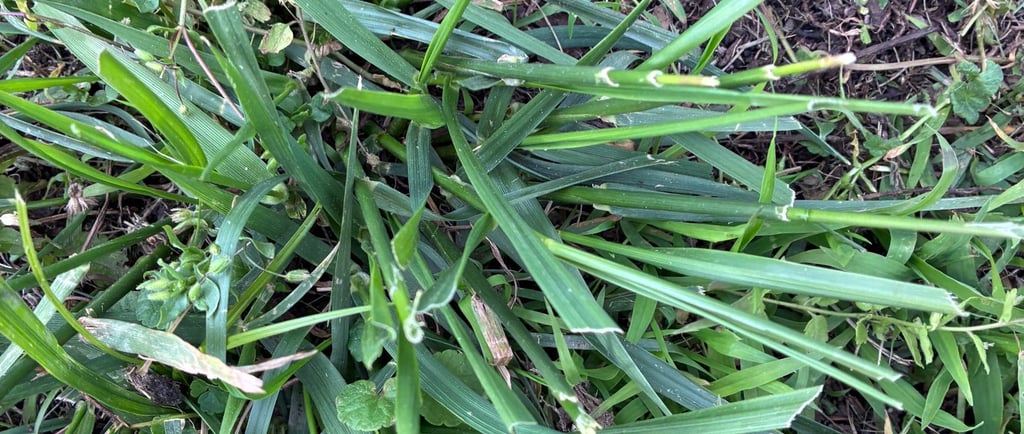
Article 2: First Steps
Starting a natural lawn improvement program begins with understanding what is already happening in the soil. Before adding fertilizer, compost, or amendments, establish a baseline.
Start With a Soil Test
A soil test is the single most important first step.
A proper soil test measures:
Nitrogen
Phosphorus
Potassium
Organic matter
Soil pH
Without this information, lawn care becomes guesswork.
Many lawn owners simply purchase fertilizer blends from a garden center and apply them according to the label. There is nothing inherently wrong with this approach. Synthetic fertilizers are fast, inexpensive, and generally safe when used properly.
However, soil testing allows you to move beyond simply feeding grass and begin improving the entire soil ecosystem.
Correcting Soil pH
The first major correction should always be soil pH.
Soil pH controls how nutrients behave underground. Even if nutrients are present, grass cannot properly absorb them when pH levels are too high or too low.
For most lawns:
Pelletized lime is used to raise pH
Elemental sulfur is used to lower pH
Pelletized lime is one of the easiest products for homeowners to apply. University studies have shown pelletized lime performs similarly to agricultural lime when applied at equivalent rates.
Because many bagged lime products provide poor application guidance, the soil test recommendation should always be followed instead of relying on the bag label alone.
Correcting pH takes time. Changes happen slowly and should be rechecked periodically through additional soil tests.
Know Your Lawn Goals
Natural lawn management is different from conventional lawn care. Instead of focusing on:
Completely eliminating weeds
Maintaining a perfect monoculture
Pushing constant aggressive growth
The focus becomes:
Improving soil structure
Building organic matter
Encouraging strong root systems
Reducing bare spots
Supporting long-term lawn health
This approach creates a safer lawn with fewer chemical inputs while still maintaining an attractive appearance.
Plan Before You Buy Materials
Once soil test results arrive:
Identify pH problems first
Determine organic matter levels
Decide whether compost applications are needed
Evaluate thin areas requiring overseeding
Create a seasonal maintenance plan
Starting with a plan prevents wasted money and unnecessary applications.