Nurturing Lawns the Organic Way Article 4
At Soil First Lawns, we share simple, natural tips to help your lawn thrive while caring for the earth beneath your feet.
Casey Poindexter
7/26/20261 min read
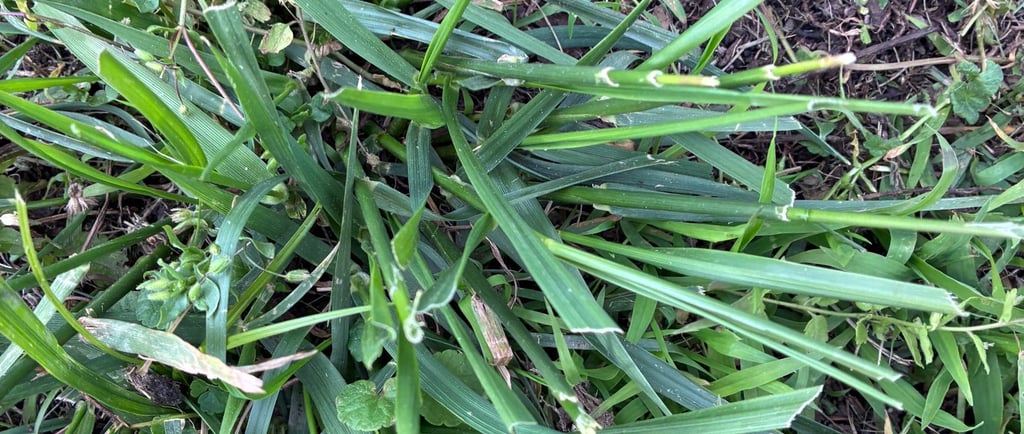
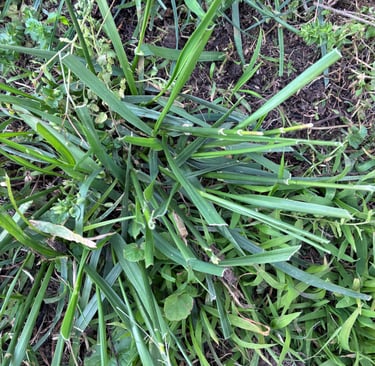
Article 4: Weed Control
Weed control in a natural lawn program requires a different mindset than traditional lawn care.
Instead of attempting to eliminate every weed, the goal becomes creating a thick, healthy lawn that naturally suppresses unwanted plants.
What Is a Weed?
A weed is simply a plant growing where it is not wanted.
Many weeds appear because environmental conditions favor them. Bare soil, nutrient deficiencies, compacted ground, and poor grass density all create opportunities for weeds to establish.
In many cases, weeds act as indicators:
Clover often signals low nitrogen
Crabgrass thrives in thin lawns
Broadleaf weeds commonly invade compacted or stressed turf
The healthiest lawns naturally reduce weed pressure by crowding weeds out.
Corn Gluten as a Natural Pre-Emergent
Corn gluten meal can help suppress annual weeds such as crabgrass.
Benefits include:
Mild nitrogen content
Reduced weed seed germination
Lower chemical exposure
Corn gluten works best when applied:
In spring
When soil temperatures reach roughly 55 degrees
Again in fall if needed
However, corn gluten should not be used when overseeding because it can also suppress grass seed germination.
Natural Spot Treatments
Some weeds still require direct treatment.
Vinegar Weed Control
High-strength vinegar can be used as a non-selective herbicide.
For best results:
Use horticultural vinegar around 30% concentration
Add a few drops of dish soap per quart to improve surface coverage
This works well for:
Sidewalk cracks
Problem patches
Areas being renovated
Because vinegar is non-selective, it will damage grass as well as weeds.
Chelated Iron
Chelated iron products can suppress certain broadleaf weeds while providing some lawn greening benefits.
Effectiveness varies depending on the weed species and environmental conditions.
This takes time and multiple applications. Good news is after it dry's its safe for pets and kids.
Tolerance Is Part of the Process
Completely weed-free lawns usually require heavy herbicide use.
A healthier long-term approach is learning to tolerate:
Small patches of clover
Minor broadleaf presence
Natural biodiversity
Focus on overall lawn quality instead of perfection.